11 people
Description (download PDF presentation)
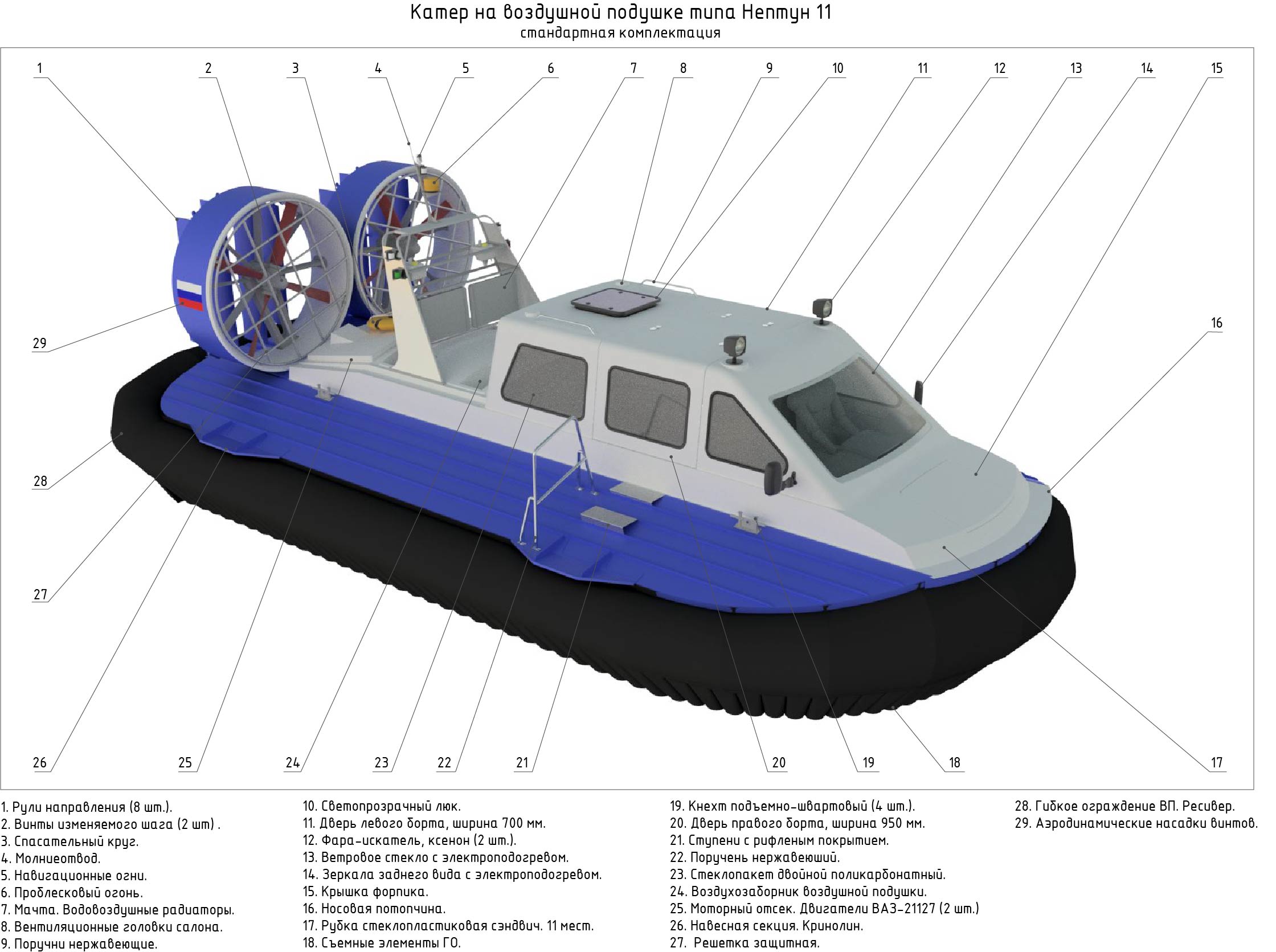
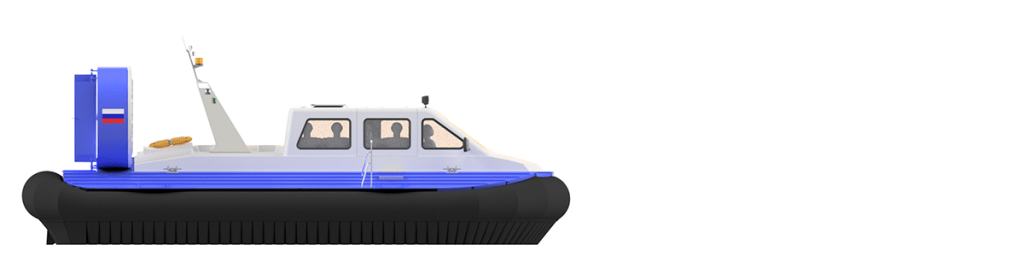
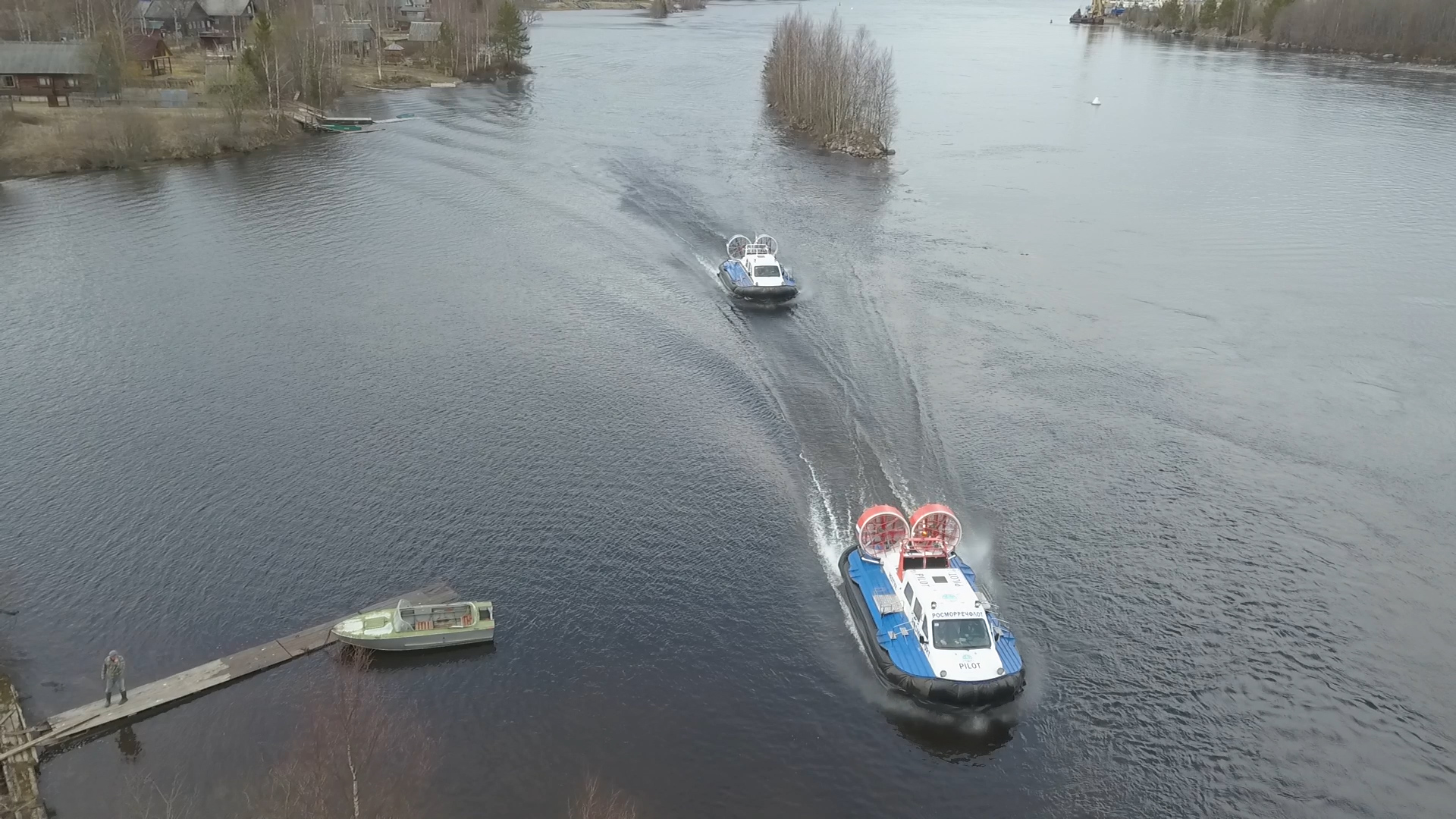
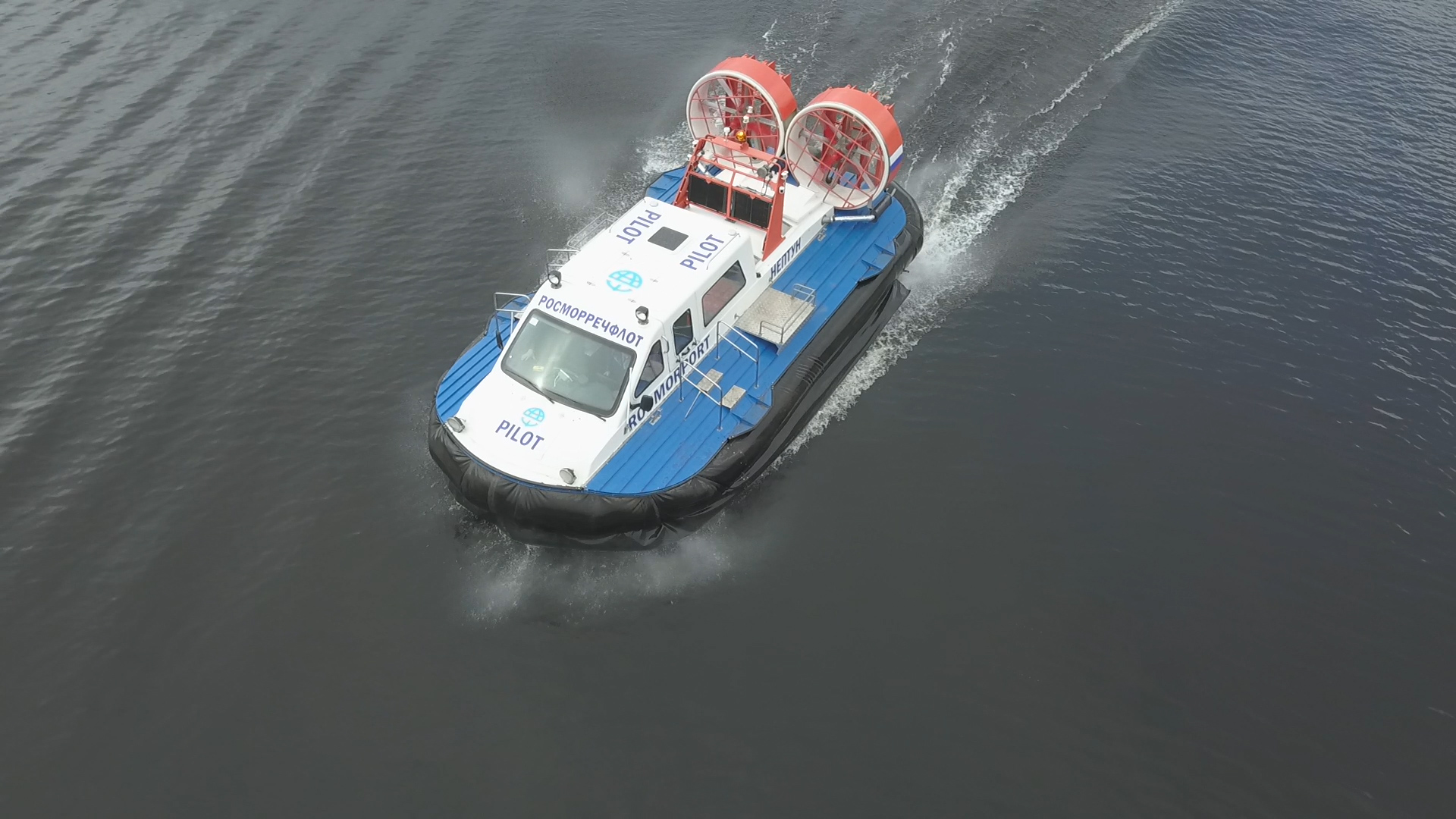
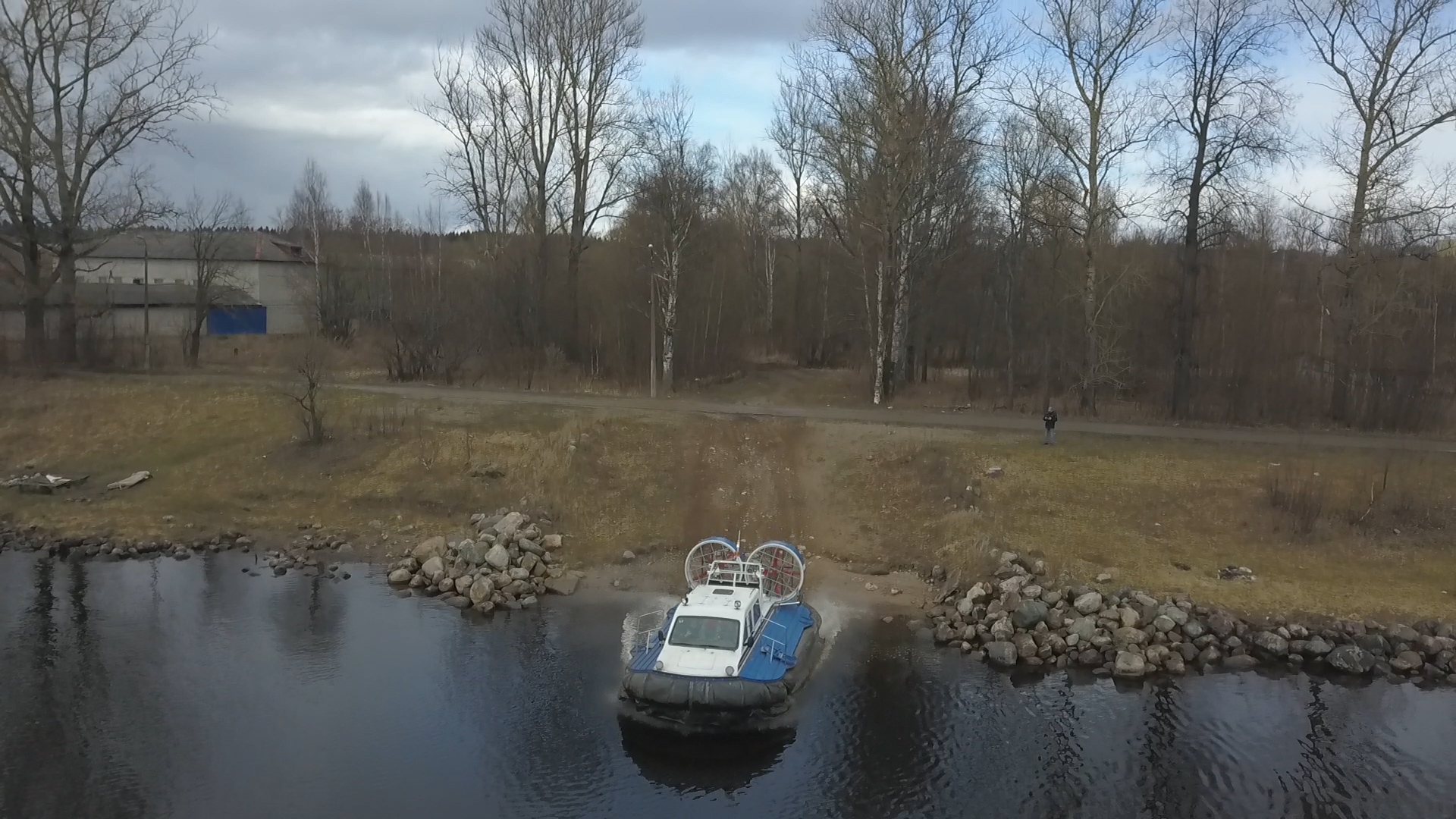
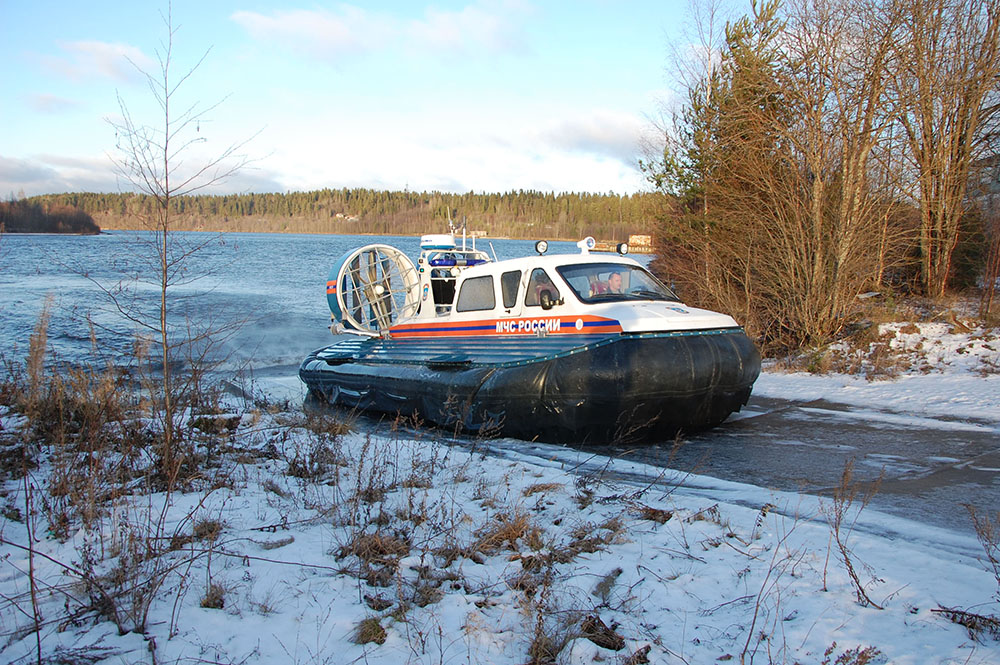
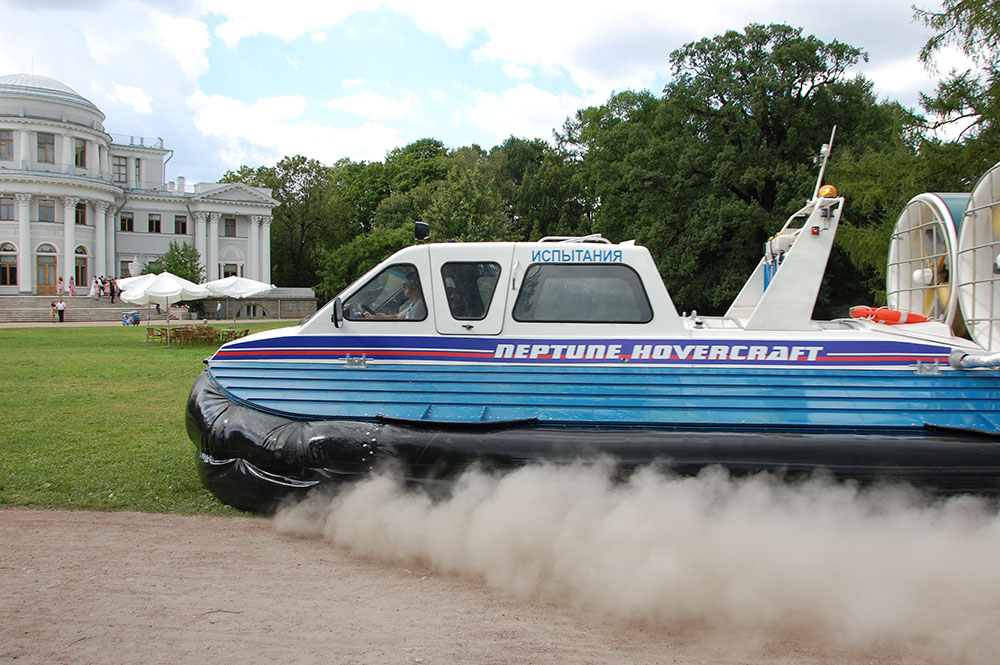
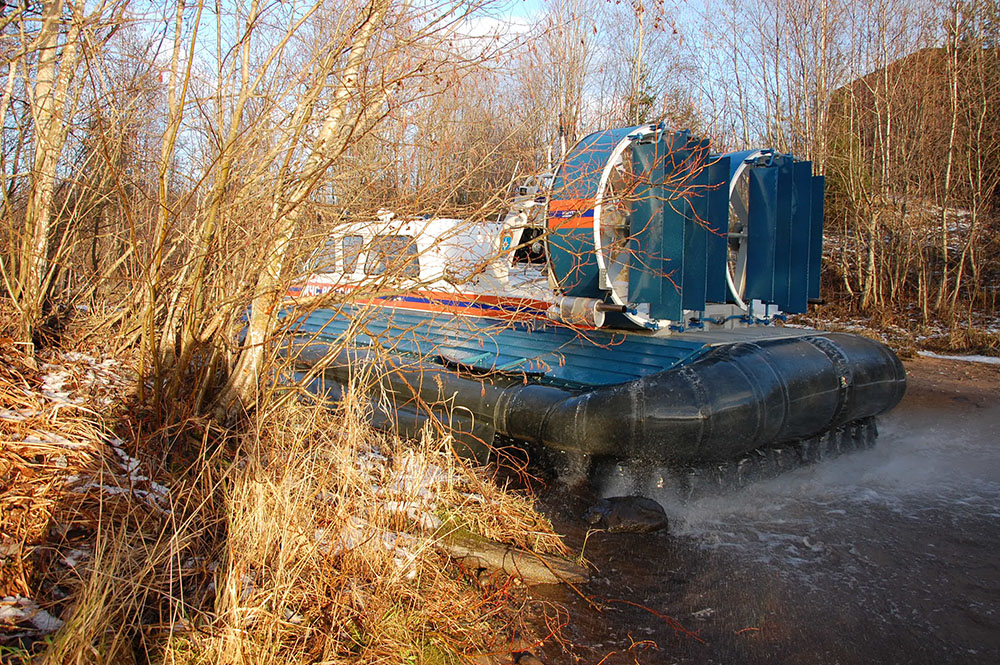
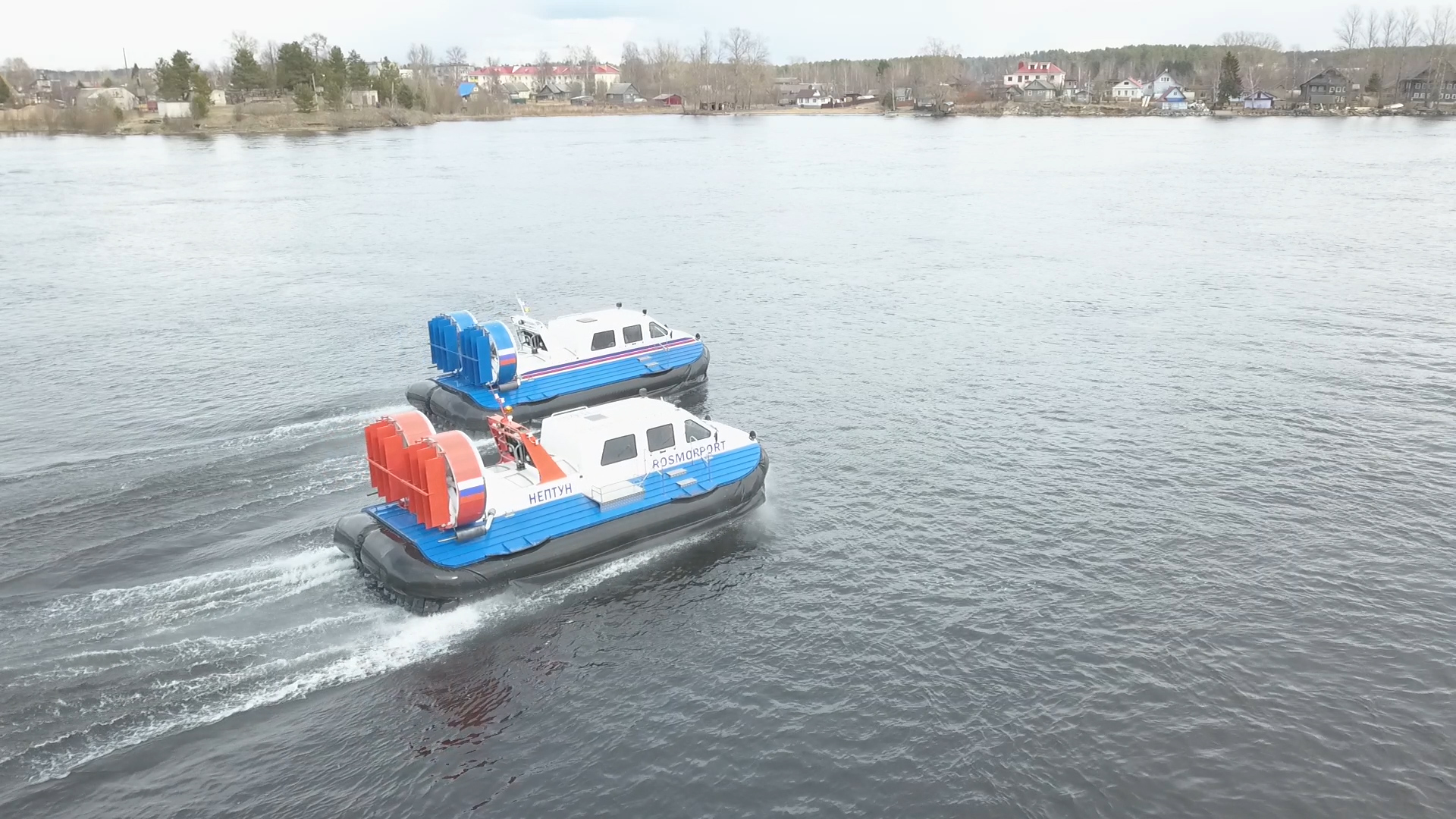
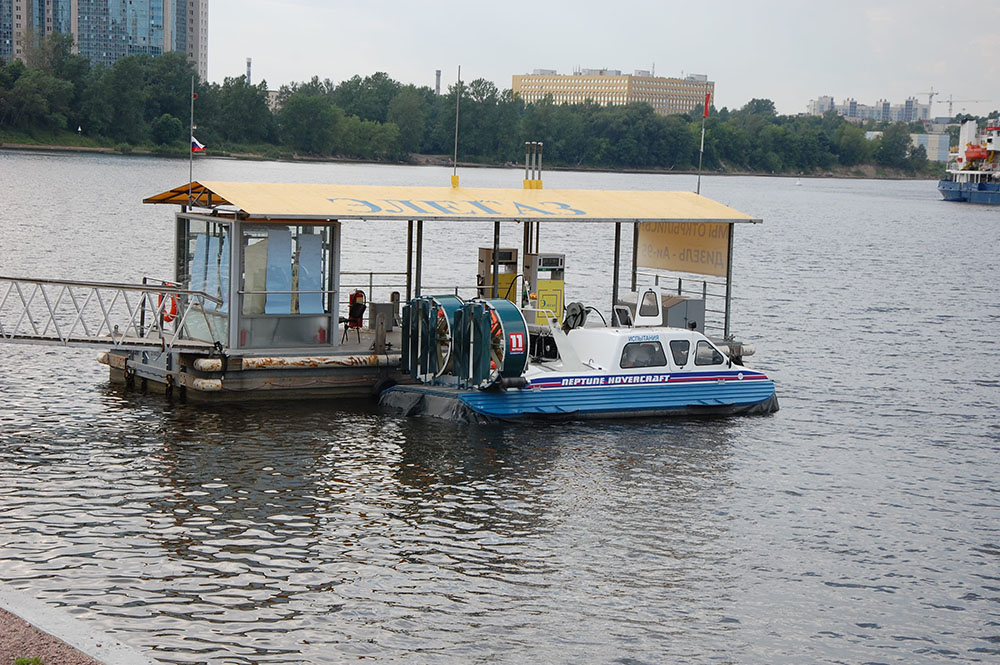
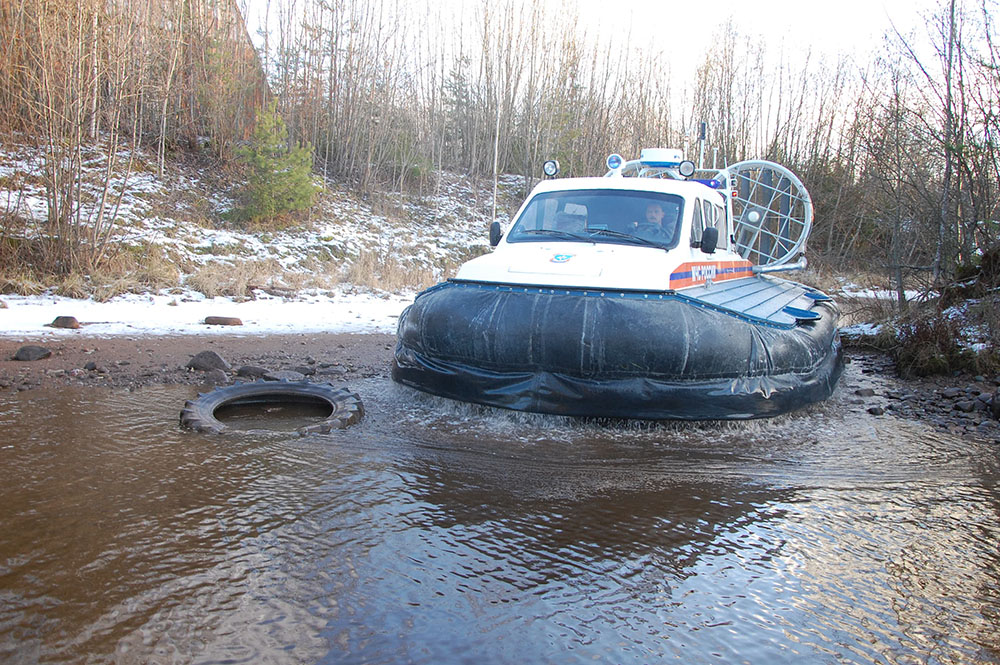
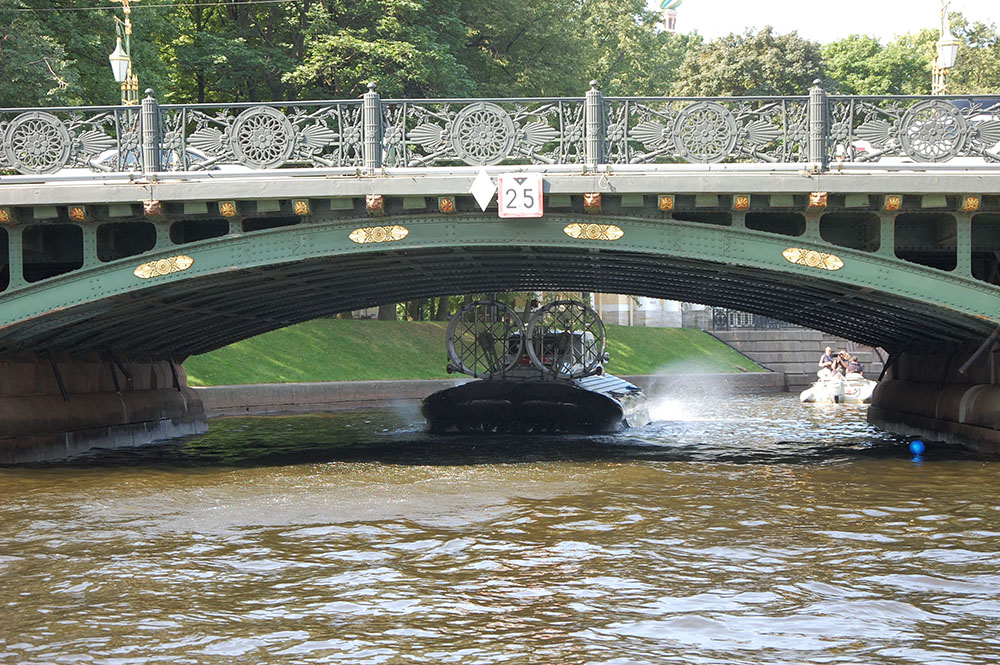
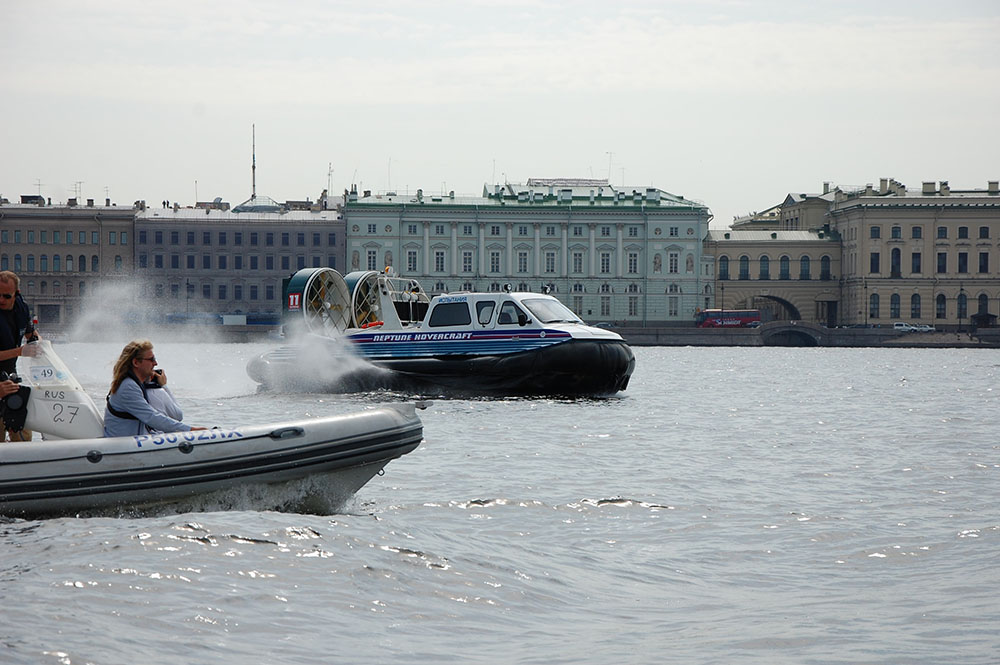
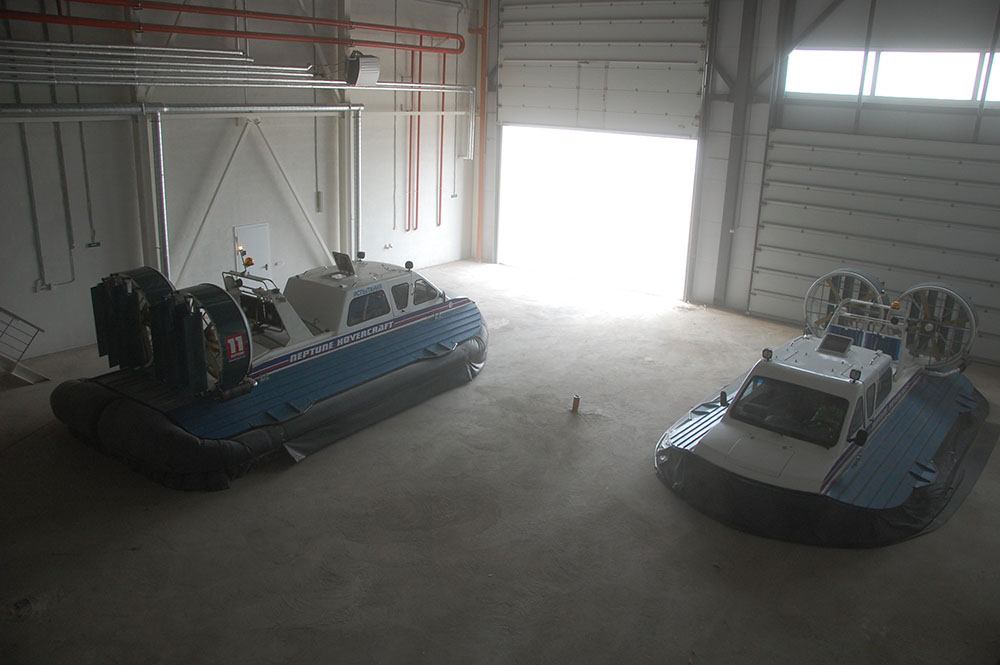
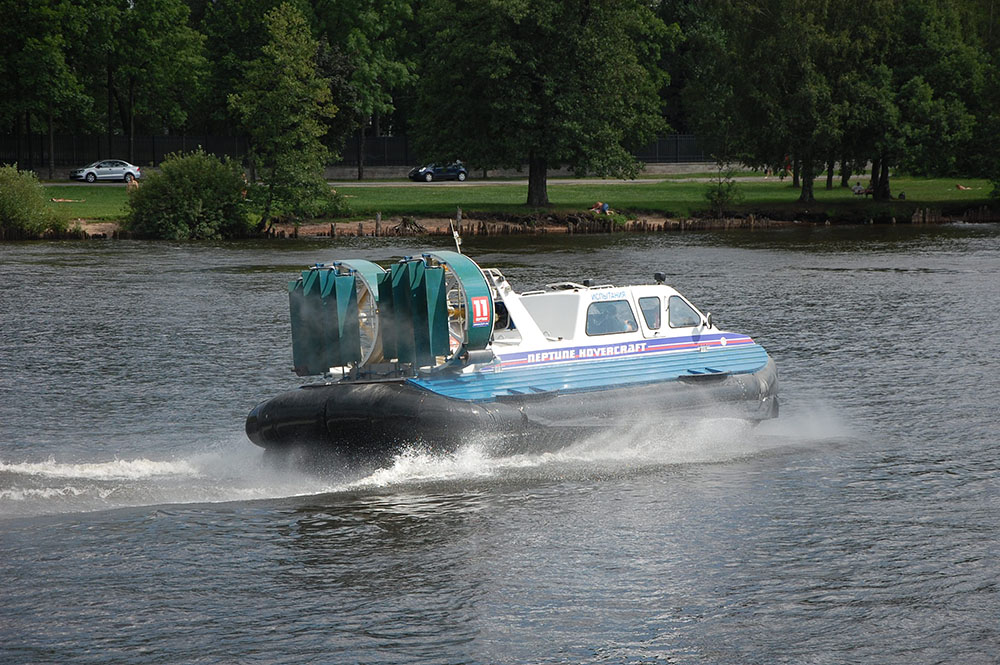
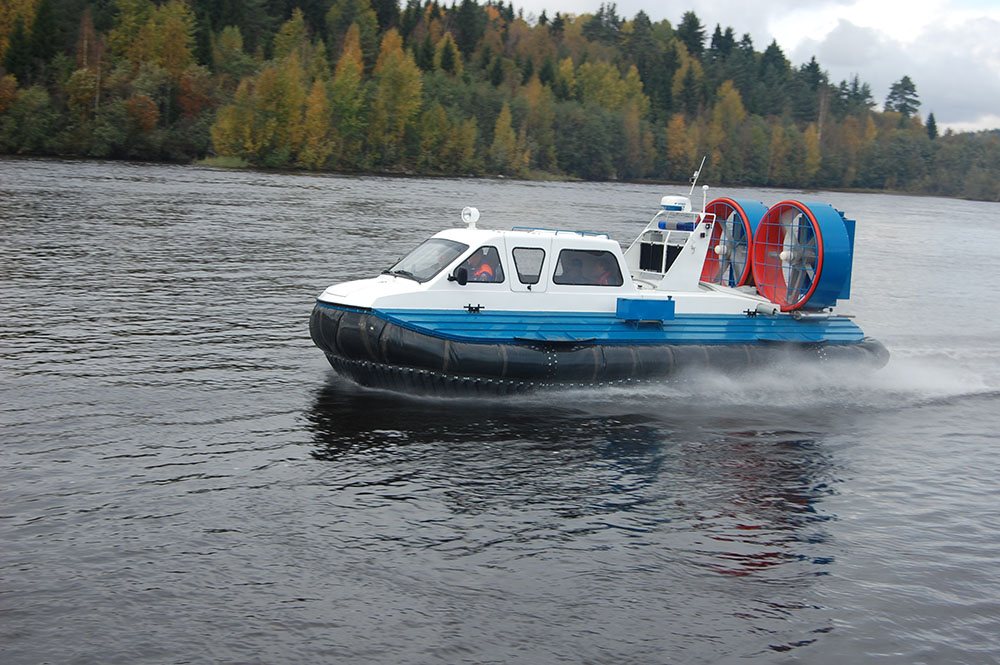
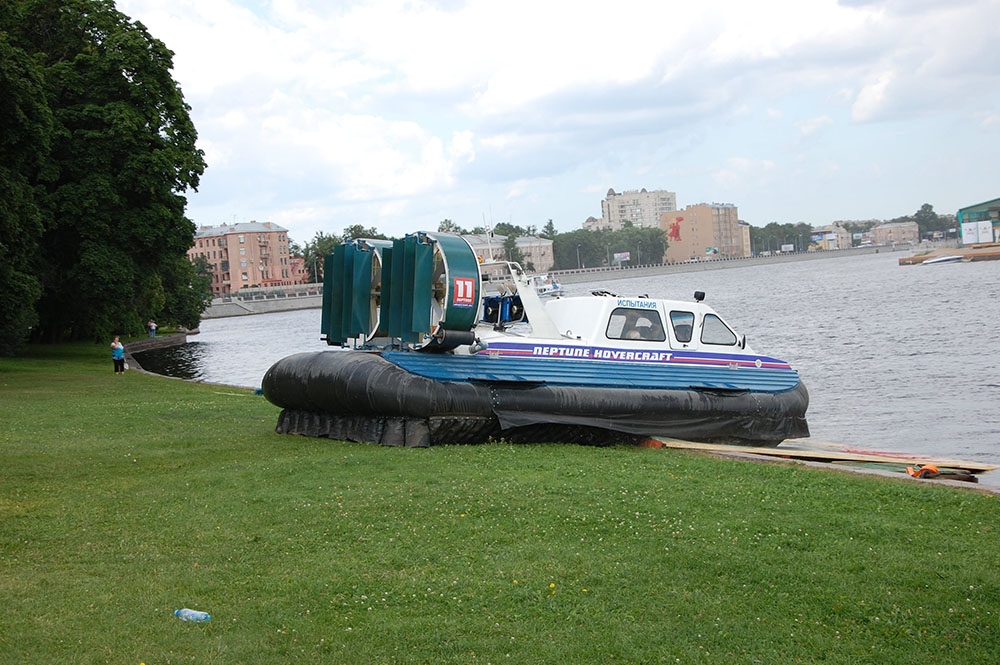
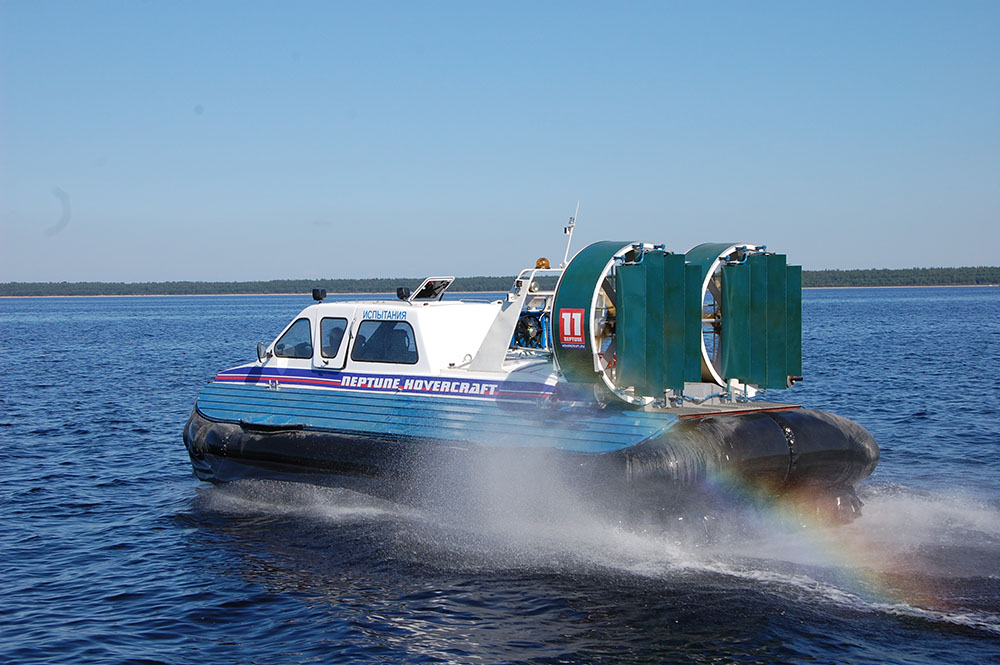
The high-speed amphibious hovercraft PARMA 11 (project PM11) is designed to transport up to 950 kg of cargo or up to 10 passengers. The hovercraft belongs to the class of small passenger hovercraft and is designed to transport passengers across water bodies in summer or winter, including with short-term access to the shore. The boat is capable of overcoming smoothed ledges up to 60 cm high and not smoothed ones — up to 50 cm. The boat is capable of reaching speeds on the water of about 70 km/h.
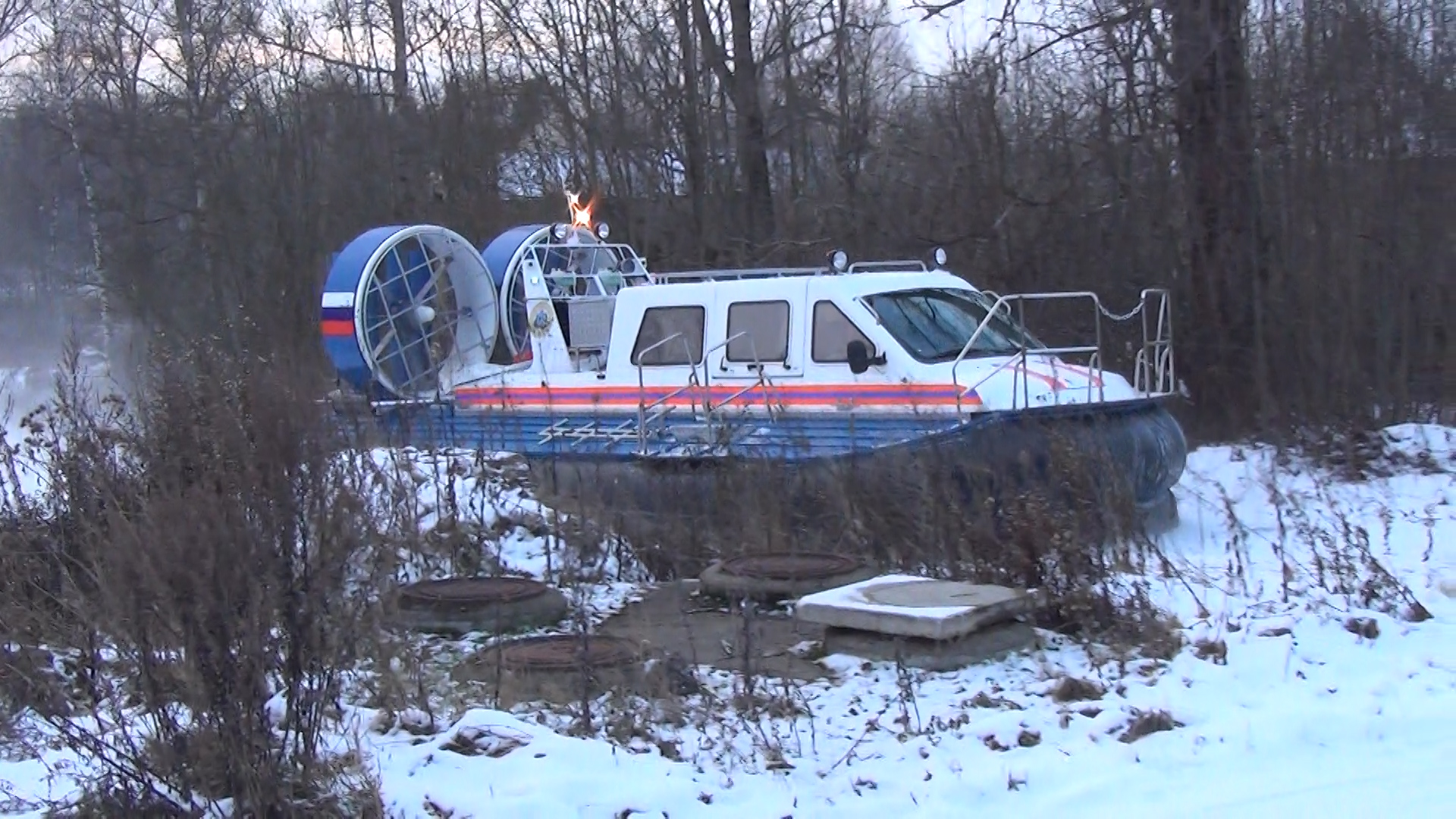
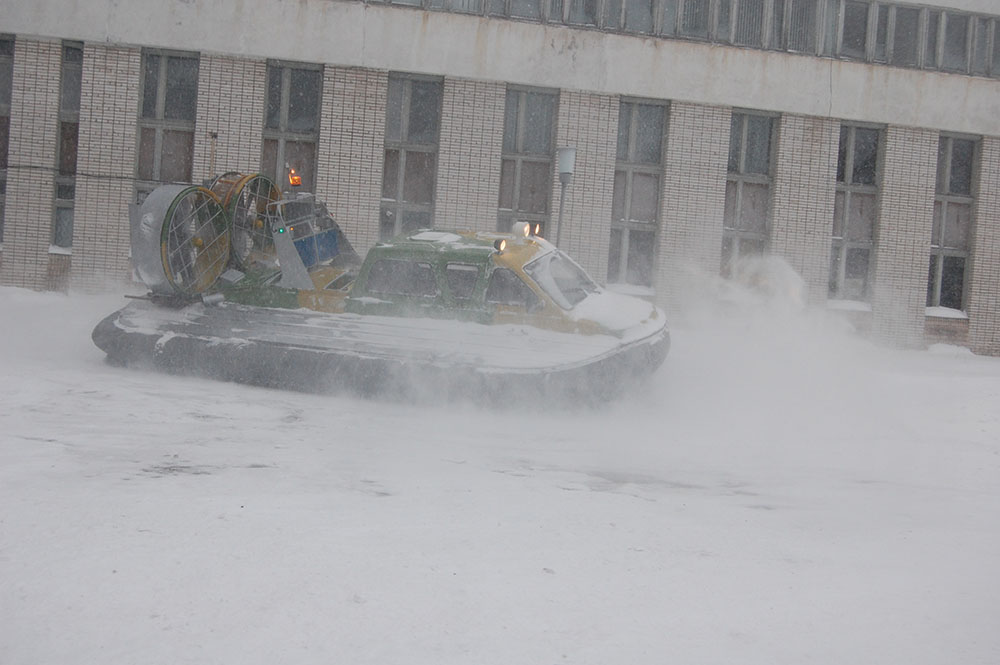
Operation is permitted at outside air temperatures from -40ºS to +30ºS and a maximum wind speed of up to 12 m/s at any time of the year during daylight hours. The Hovercraft, under all load conditions, can be operated during daylight hours in water areas, with waves not exceeding 1.2 m 1% probability. The movement of the boat is allowed at the specified wave both in hovercraft mode and in displacement mode. When driving on ice or snowy surfaces, operation is permitted on all bodies of water. Operation on any other flat, hard surface, extremely shallow water and swampy surfaces is permitted.
Main dimensions and characteristics
| Maximum body length, m | 8.1 |
| Maximum width (with hanging sections), m | 4.1 |
| Cushion height (clearance), m | 0.5 |
| Passenger capacity, persons | 10 |
| Minimum crew, persons | 1 |
| Payload, t | 0.95 |
| Operating speed (on water), km/h | 45 |
| Maximum speed (on water), km/h | 70 |
| Operating speed (on ice), km/h | 50 |
| Fuel capacity, l | 300 |
| Operational fuel consumption on water, l/hour | 22 |
| Autonomy in terms of fuel reserves, h | 12 |
| Safe wave height, m | 1.2 |
| Supervision (For non-commercial use) | GIMS, small vessel of a special design for up to 12 seats (hovercraft) |
| Supervision (For commercial use) | RKO, small vessel of special design up to 12 seats (hovercraft), Category 3 |
Housing
The hull of the vessel is made waterproof, divided into 5 waterproof compartments by 5 waterproof bulkheads.
Sheets and profiles made of aluminum alloys are used as the material for the main hull, frame, and foundations. Rolled sheets are used grade Amg5M, GOST 21631-76. Profile steel grade Amg6M or D16T according to GOST 8617-75. The hovercraft body is riveted (with the exception of small parts made by welding). The tightness of the outer contour of the boat and the corresponding transverse bulkheads is ensured. The impermeability test is carried out in accordance with the test diagram and table. Protection of the housing from corrosion is ensured by the use of aluminum-magnesium alloys that are resistant to corrosion in river and sea water. Additionally, it is planned to paint the outer and inner surfaces of the body with paints and varnishes.
Salon
The passenger cabin is equipped in the front part with two soft passenger chairs, including one for the captain.
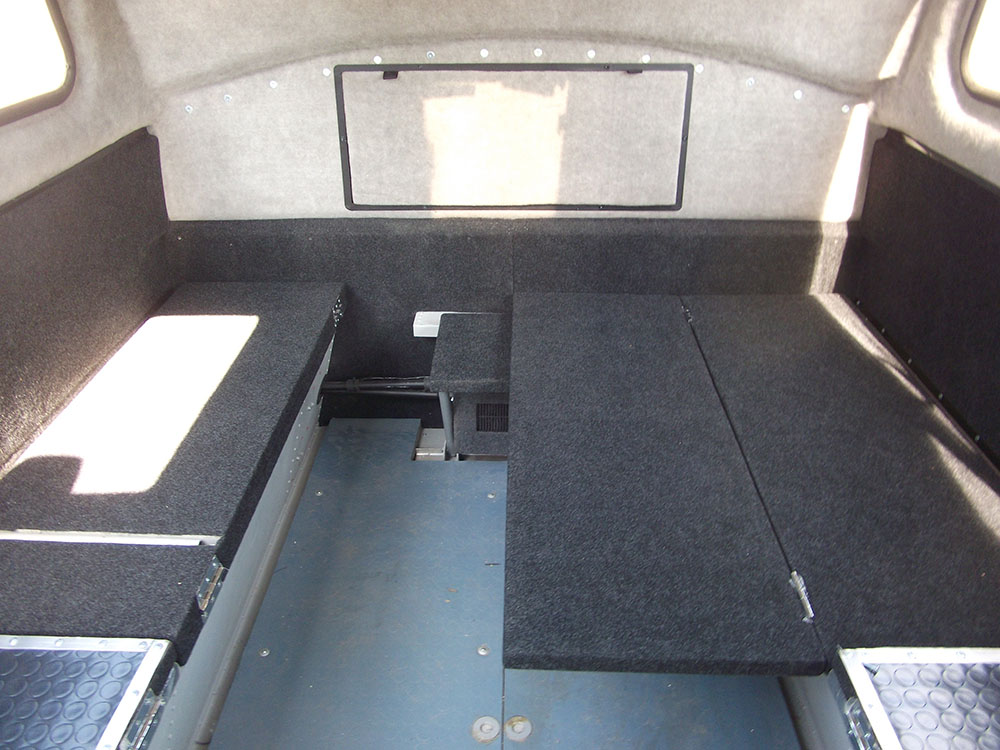
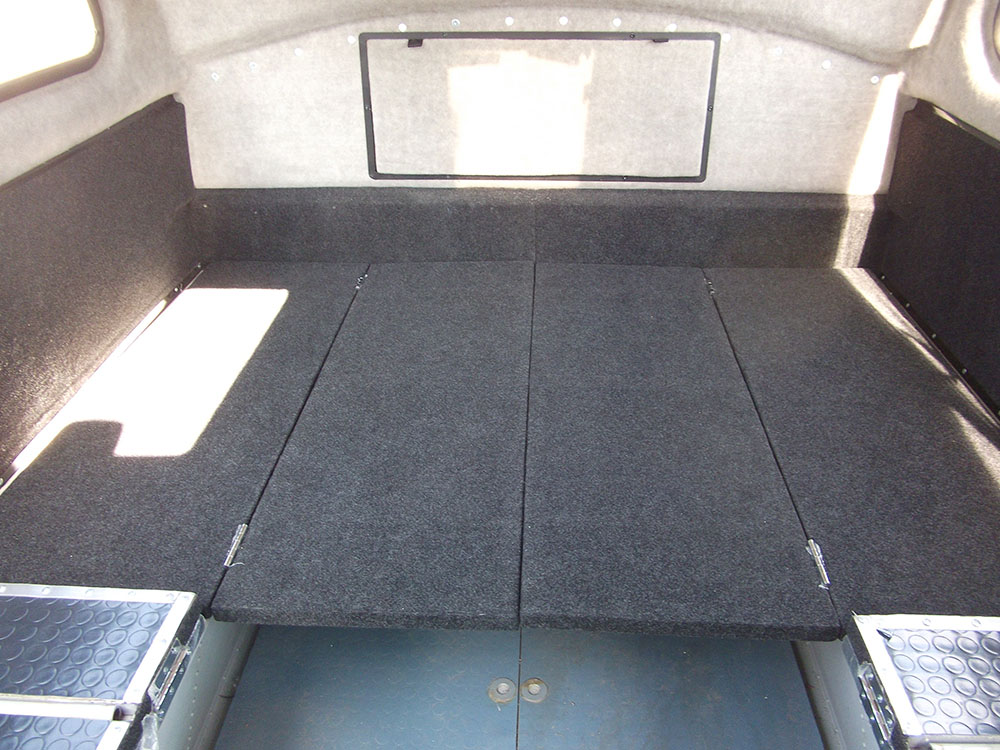
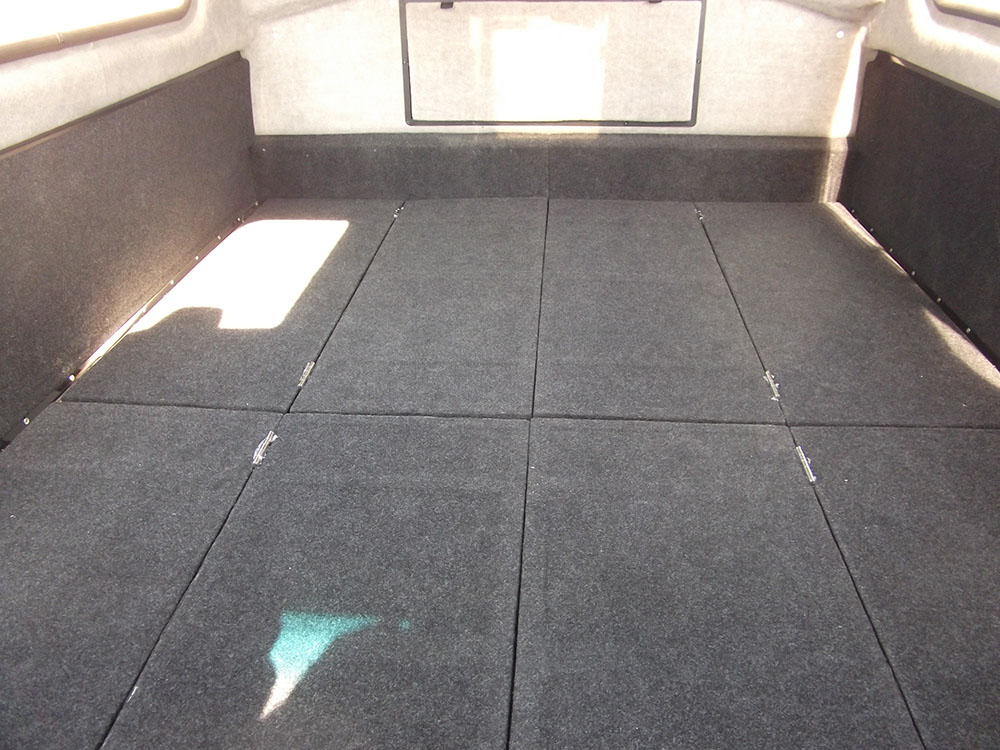
Four double lifting sofas-lockers are installed along the sides, under which life jackets and property are located. The sofa covers can be folded out to form a sleeping area measuring 1800×2000 mm in the aft part of the cabin. The arrangement of armchairs and sofas may vary. There is an option with soft seats for all passengers.
The cabin is made of a three-layer structure, the middle layer of which is insulation. The outer layer is made of fiberglass based on polyester resin with fiberglass reinforcing material, coated with colored resin (gelcoat). The middle layer is made of honeycomb filler. The inner layer is made of fiberglass, covered with lining — soft leatherette.
Engine
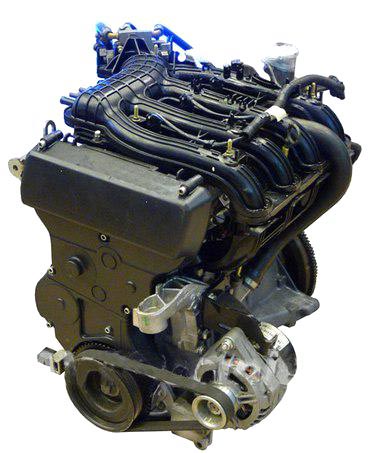
The hovercraft is equipped with two Volzhsky Automobile Plant VAZ-21126 engines, each with a power of 98 hp. To increase service life and reduce fuel consumption, the engines are derated to 80 hp. by reducing the maximum speed to 4800 rpm. It is possible to increase power to 106 hp. by increasing the maximum crankshaft speed to 5800 rpm.
The engine is four-stroke, with distributed fuel injection, in-line, with an overhead camshaft. The engine cooling system is liquid, closed type, with forced circulation of liquid. The engine has a combined lubrication system: under pressure and splash.
Engine 21126 is a continuation of the VAZ 21124 ten-seater engine, but with a 39% lighter ShPG produced by Federal Mogul, the holes for the valves have become smaller, and a different timing belt with an automatic tensioner, thanks to which the problem of tightening the belt on the 124 block has been solved. The Priora engine block itself has also undergone minor changes, such as better surface treatment, cylinder honing is now carried out in accordance with the more stringent requirements of Federal Mogul.
The ignition system consists of individual ignition coils installed on the cylinder head cover and spark plugs. The ignition coils are controlled by the electronic engine control unit (ECU).
The engine uses a new automatic timing belt tensioning mechanism with rollers of a new design. By switching to a Gates timing belt with a new profile, the engine uses new camshaft pulleys, a water pump pulley and a crankshaft pulley. The pulley profile corresponds to a timing belt with a semicircular tooth.
For the electronic engine control system, a controller M 7.9.7 or JANUARY 7.2 is installed.
| Engine type | 4-stroke 4-cylinder VAZ-21126 |
| Number of engines, pcs. | 2 |
| Power, hp. (kW) | 80(59) x2 |
| Maximum speed, rpm | 4800 |
| Working volume, cubic cm | 1597 |
| Compression ratio | 11:1 |
| Fuel system | Distributed injection |
| Specific fuel consumption of one engine, g/kW*h | 231 |
| Cooling system | Liquid |
| Dry engine weight, kg | 115 |
Flexible fencing
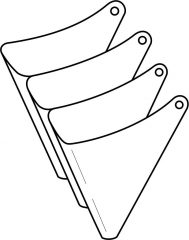
The amphibious qualities of the hovercraft are ensured by lifting the body away from the screen by holding the air cushion under the body with a flexible fence. The lift height depends on the speed of the superchargers (engines) and the trim angle.
The hovercraft uses a two-tier flexible fencing scheme with removable elements along the entire perimeter of the lower tier and with a flexible receiver in the upper tier.
This scheme allows the removable elements to remain elastic. Those. when passing obstacles, the flexible elements deflect and allow the object to pass underneath them without resisting its influence.
Only the lower segmental tier, which consists of many independent elements, is involved in contact with the surface. Each element is attached to the receiver with four clamps. Replacement is simple and does not require special tools or skills.
Due to the constant air flow in the VP, the GO will maintain the ability to move the hovercraft even if all the removable elements are lost. GO material is rubberized fabric based on rubber nylon. This fabric allows you to straighten and take a given shape in low temperatures.
The maximum achievable height of the air cushion is about 0.6 m. The height of the air cushion is measured from the supporting hard surface to the bottom of the housing.
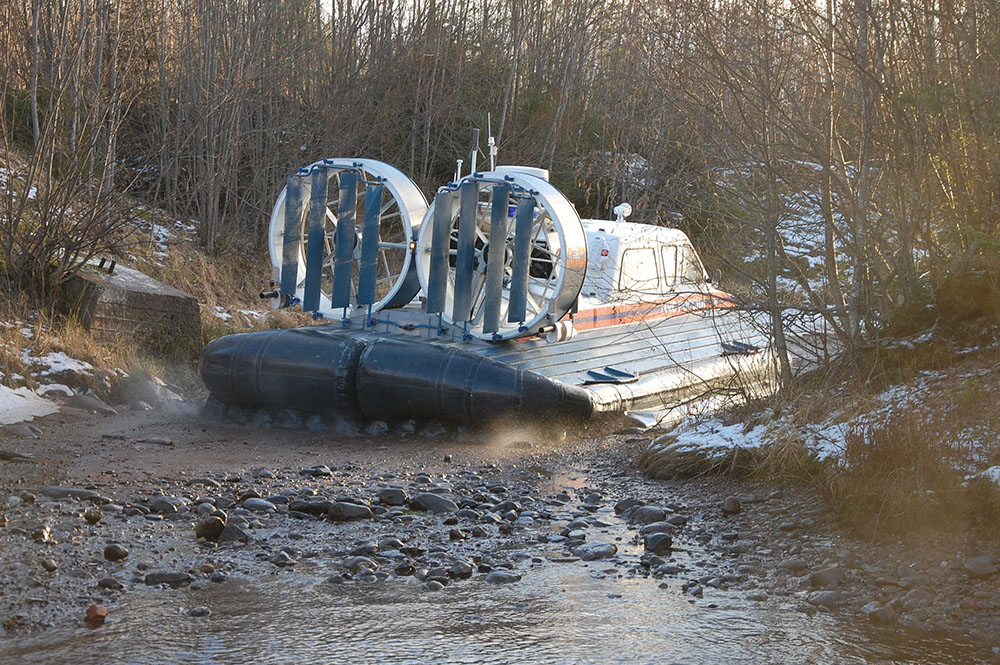
Propellers and superchargers
As movers on Hovercraft is equipped with two four-bladed variable pitch propellers in aerodynamic fixed nozzles. The variable pitch propeller support unit and the reverse mechanism are located in the pylons of each nozzle. The material of the propeller blades is a composite of fiberglass with an aramid coating. The rotation angle of the propeller blades is controlled by direction indicators installed in the control panel.
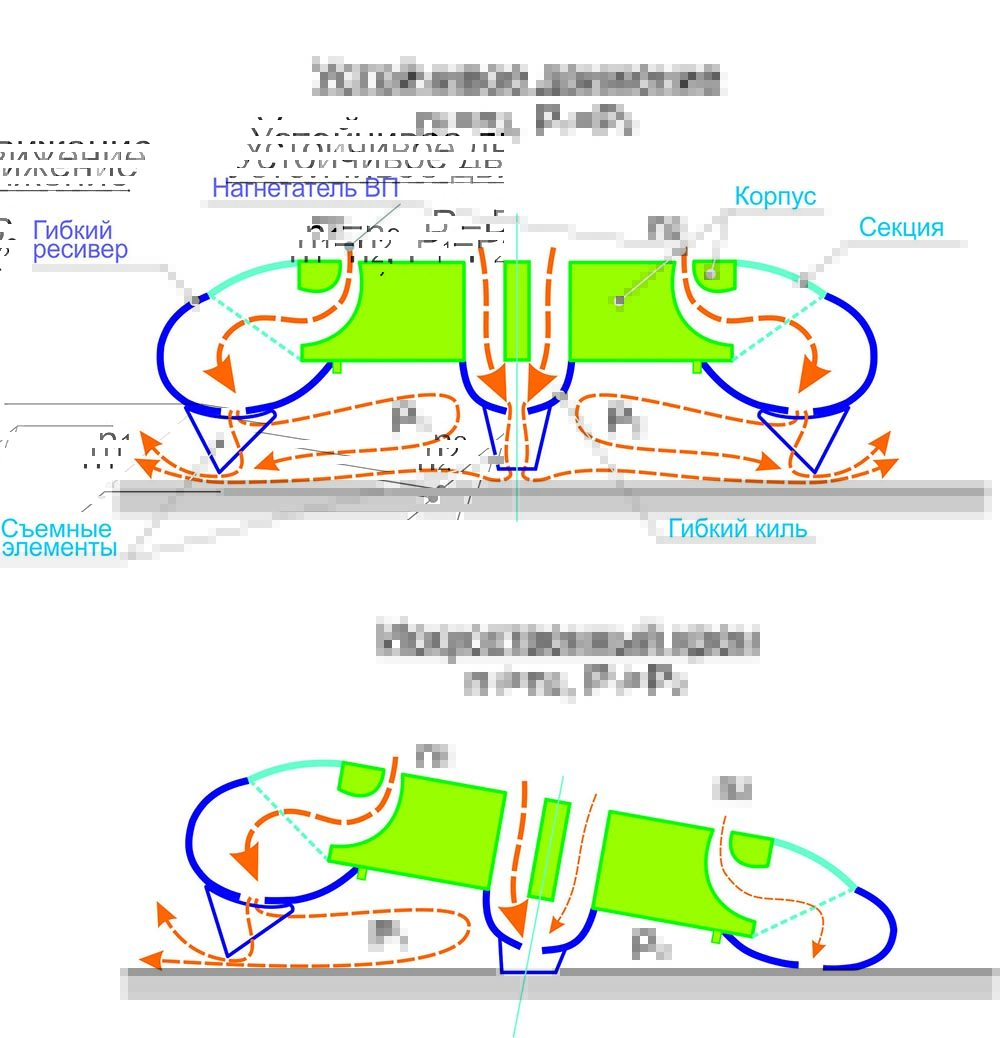
Two twin centrifugal superchargers are provided as air cushion superchargers. Air cushion blowers operate separately, each on its own side. The superchargers are mounted on shafts supported on both sides by self-aligning bearings. The material of the superchargers is a composite of fiberglass, carbon fiber and aramid.
Separate control of the speed of the superchargers (n1 and n2) and sectioning of the air cushion zones allows you to create different pressures in the left P1 and right P2 halves. This property makes it possible to create an artificial roll, which greatly helps during maneuvers and helps neutralize the effect of side gusts of wind. In case of failure of the engine or supercharger of one of the sides, the jumper between the zones is removed and the flexible fence is filled with air from the working supercharger. The hovercraft can continue to move on one supercharger.
Management
Directional control is provided by turning the steering wheel in the control station and rudders installed in the flow behind the propulsors. Turning the control surfaces provides control torque with the center of rotation in the nose area.
Provision is made for shifting variable pitch propellers from the FORWARD position to the REVERSE position. Shifting is done both jointly and separately using pedals located at the driver’s feet. The separate shift provides control torque with the center of rotation in the stern area.
The propeller speed is controlled, which provides different thrust and creates a control torque with the center of rotation in the stern area. The possibility of hovering on an air cushion at low speeds is provided by installing the propeller blades in several intermediate positions in the range of angles from full forward to full rear. It is ensured that the blade of one propeller is shifted backwards, and the blade of the other propeller is correspondingly shifted forward (work in conflict).
Remote control of the power plant is carried out using levers located on the control panel.
Registration
The Hovercraft is built in accordance with the class of the Russian Classification Society RKO “R*1.2/1.2 hovercraft”. This allows it to be used both for personal and official needs, as well as for commercial use and the transportation of passengers. Seats up to 11 people. Sailing is allowed — GDP is not higher than «P». Registration with GIMS or Ministry of Transport. Amateur rights.
“Passenger is an individual who has entered into an agreement for the carriage of a passenger, or an individual for the purpose of whose transportation a vessel charter agreement has been concluded.” Or in other words, the one who paid for the transportation himself or for whom someone else paid for his transportation.
Transportation
Hovercraft can be transported on a special trailer, in one 40-foot container, or a trailer with a trailer length of 10 meters or more.
Systems
The Hovercraft is equipped with the following systems:
electric (12V, 2 batteries)
fuel (300 liters)
engine cooling
gas exhaust (rusting)
interior and engine compartment ventilation
trim (90 liter tanks in the bow and stern)
steering (two groups behind nozzles of 4 steering wheel)
fireproof
Other
The Hovercraft is standardly equipped with:
life jackets according to the number of passengers
two xenon headlights on the handle
two water-air interior heaters from different engines
variable pitch propellers VIS
windshield washer and wipers
trim indicator
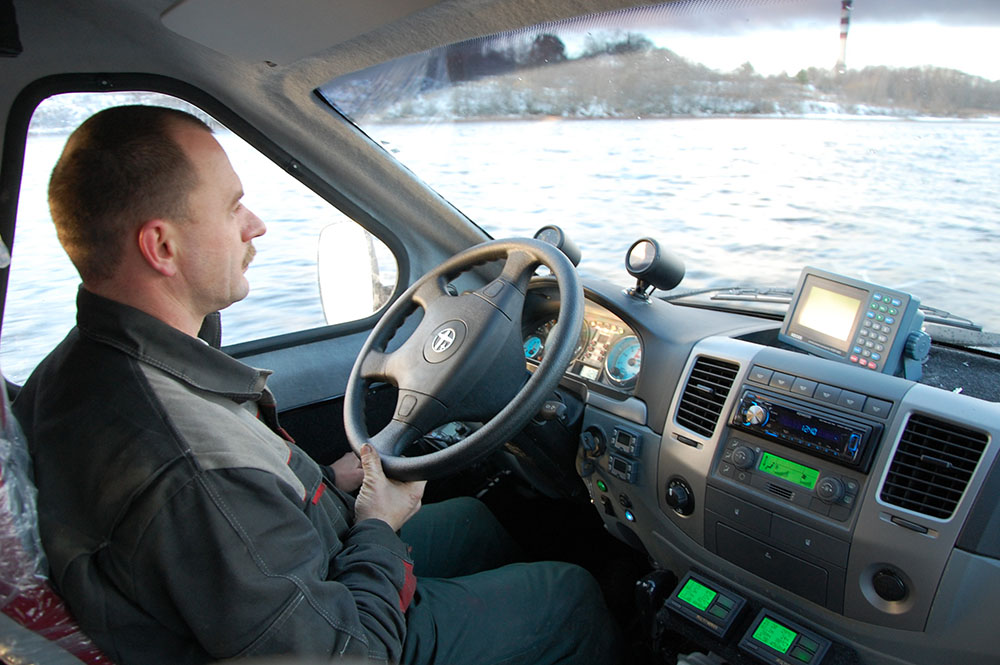
two on-board diagnostic computers Multitronics (engine speed, voltage, remaining fuel in tanks, coolant temperature, errors)
indicator of the angle of attack of the propeller blades
“Fire” indicator in the engine compartment
electric amplifiers VIS
drying pumps
750 mm wide gullwing doors
radio tape recorder, cup holders, glove boxes, cigarette lighter, ashtray etc.
Video